How today’s wellness landscape is redefining what it means to be healthy
Introduction
In 2025, health and wellness are evolving far beyond traditional gym routines and diet fads. From personalized data-driven solutions to ancient holistic systems finding a global revival, the wellness sector is embracing diversity, sustainability, and mental well-being more than ever. With new technologies, materials, and values emerging, people are redefining well-being on their own terms. This article explores the latest trends backed by recent data and news, and what they might mean for the future of everyday health.
Key Trends Shaping Health & Wellness
1. Mental Health & Holistic Practices Take Center Stage
- There’s a growing recognition that mental wellness is as essential as physical health. Stress, anxiety, burnout, and emotional resilience are heavily discussed topics. Meditation, mindfulness, breathwork, micro-meditations, light therapy, and hybrid wellness rituals are becoming mainstream.
- Therapy and mental health apps continue expanding into wellness routines. Virtual counseling, self-help tools, and wellness retreats (both physical and virtual) are more accepted and in demand.
2. Personalized & Tech-Driven Wellness
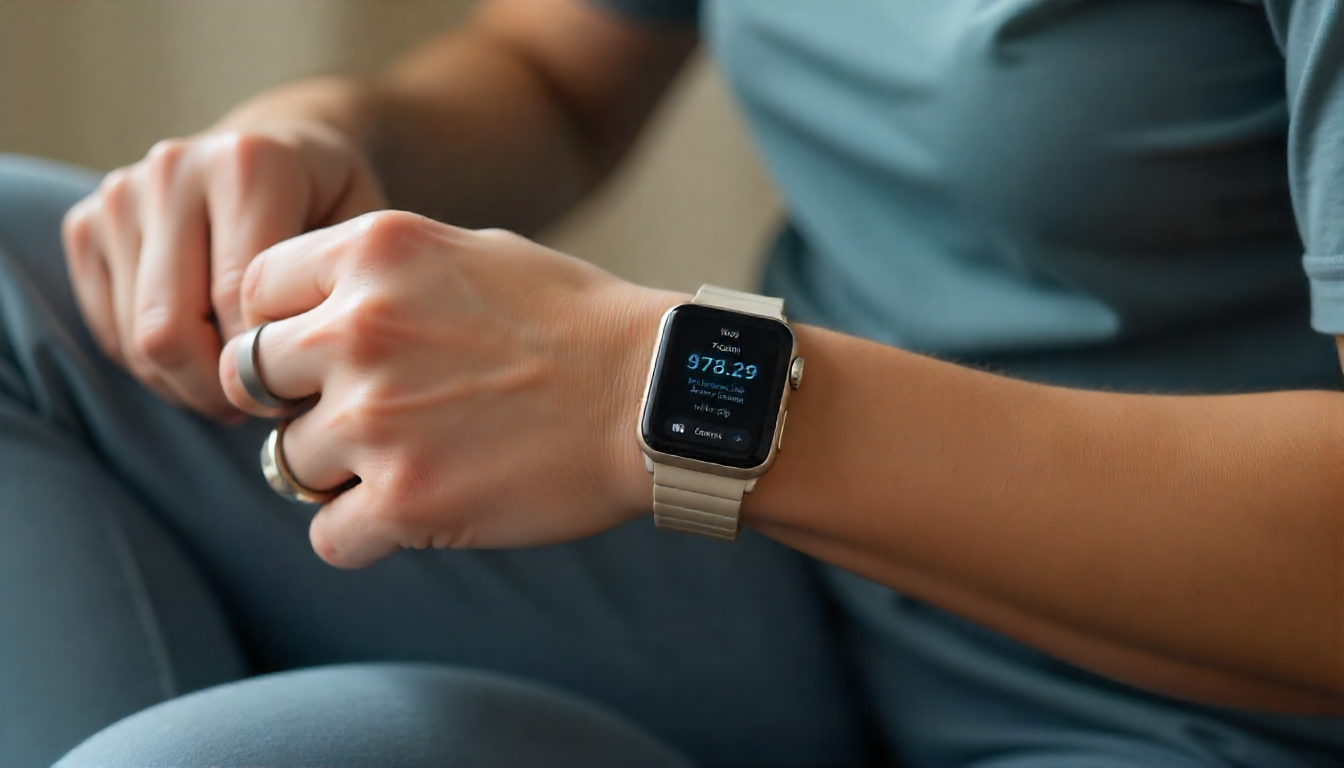
- Artificial Intelligence (AI) is playing an increasing role in fitness, nutrition, health monitoring, etc. Wearables, digital coaches, apps that adjust routines based on user progress or biometric data are more widely adopted.
- Genetic testing and personalized nutrition are getting more accessible, enabling people to tailor diets, supplements, and lifestyle choices to their unique biological profiles.

3. Food as Medicine & Functional Foods
- More consumers are seeking foods not just for calories or taste, but for specific health effects: gut health, immunity, anti-inflammation, metabolic benefits, cognitive performance. Functional foods (with probiotics, adaptogens, etc.) are trending.
- Trends like “fibermaxxing” are emerging, where people aim to increase fiber intake deliberately to support digestion, gut microbiota, metabolic health, and mood.
4. Longevity & Preventive Medicine
- More focus is going toward extending healthy lifespan (not just living longer). Biomarker tracking (e.g. blood panels, continuous glucose monitoring, more sophisticated wearable trackers) is gaining traction.
- Lifestyle prescriptions (sleep, nutrition, stress, exercise) are increasingly considered essential by medical professionals, not optional extras. Preventive care is being baked into wellness models.
5. Sustainability, Natural & Ethical Wellness
- Eco-friendly practices, sustainable sourcing, and clean ingredients are no longer niche concerns—they’re essential for many consumers. Plant-based foods, ethical beauty, biodegradable materials, and zero-waste practices are rising.
- Ancient holistic practices—Ayurveda, yoga, plant medicine—are being integrated into modern wellness routines, with more attention to cultural authenticity and regulation.
6. Wellness Beyond the Self
- Corporate wellness programs are expanding: offices offering health clinics, mental health support, wellness perks.
- Inclusivity in wellness: rejecting narrow ideals of bodies, health status, abilities. Celebrating “plus-size health,” more diversity in representation, recognizing different wellness needs.
Risks, Challenges & Cautions
- With the rise of wellness tech and digital tools, there are regulatory, privacy, and safety concerns—especially wearable devices and health claims that may not be clinically validated.
- Misinformation is still a problem, especially in social media content related to diets, supplements, and “quick fix” health trends. Users and regulatory entities are calling for more transparency.
- Accessibility and cost remain barriers: while some wellness innovations are becoming more affordable, others may alienate or be inaccessible to marginalized or lower-income populations.
Future Directions
- Expect more convergence between technology, science, and ancient/traditional systems. Hybrid models will likely become more standard (for example, using AI to optimize Ayurvedic routines, or wearable feedback in yoga/meditation practice).
- Regulation and ethical frameworks will likely tighten, especially around health claims, data security, and the blur between wellness and medical.
- Community, connection, and mental-emotional wellness will keep rising in importance as counterbalance to digital fatigue and lifestyle stress.
Conclusion

Health & wellness in 2025 is no longer about a one-size-fits-all model or about purely aesthetic goals. It’s becoming a holistic, personalized journey that integrates mental, physical, social, and environmental dimensions. Whether through AI tools, functional foods, sustainable practices, or ethical inclusivity, the future of wellness is about thriving—not just surviving.